
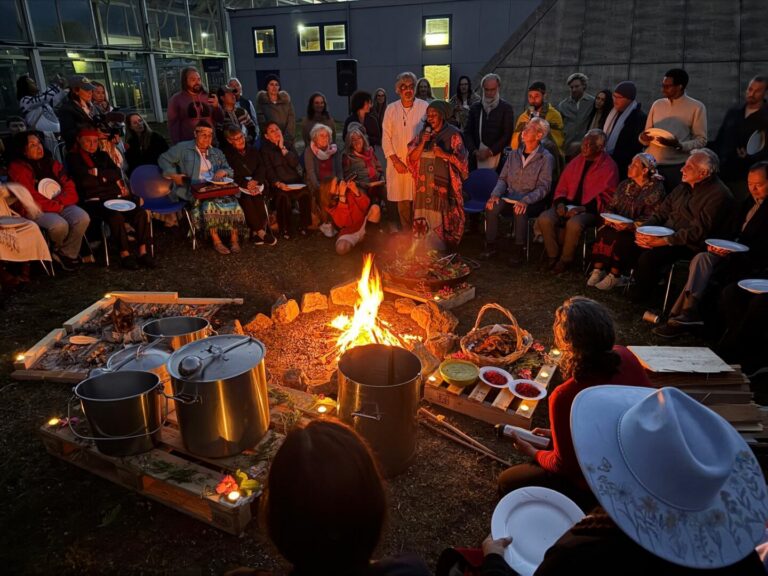
It was the first time for me to be among so many indigenous peoples from many nations across the world. I initially went in with a sense of overwhelm, grieving my own sense of cultural loss and separation. I had no traditional dress or song to share and then Manish reminded me of my own lineage, my spiritual lineage and about the sufi path as a path of disciplehood and how that is lost on many, many people living under the tight grip of modernity. Chronos, colonial time, was very present during the gathering, trying to fit in many, many things in so little time, trying to keep time among people with so much wisdom to share came with a lot of tension.
Held at Etherlaken, the gathering came as a gift of revival to a venue that had been closed for over two decades, our presence itself was a gift. And still, something was missing, to serve, to offer the labor of love. Preparing food is one of the most obvious ways to engage in the labor of love and to build community, and this is where Noni comes in.
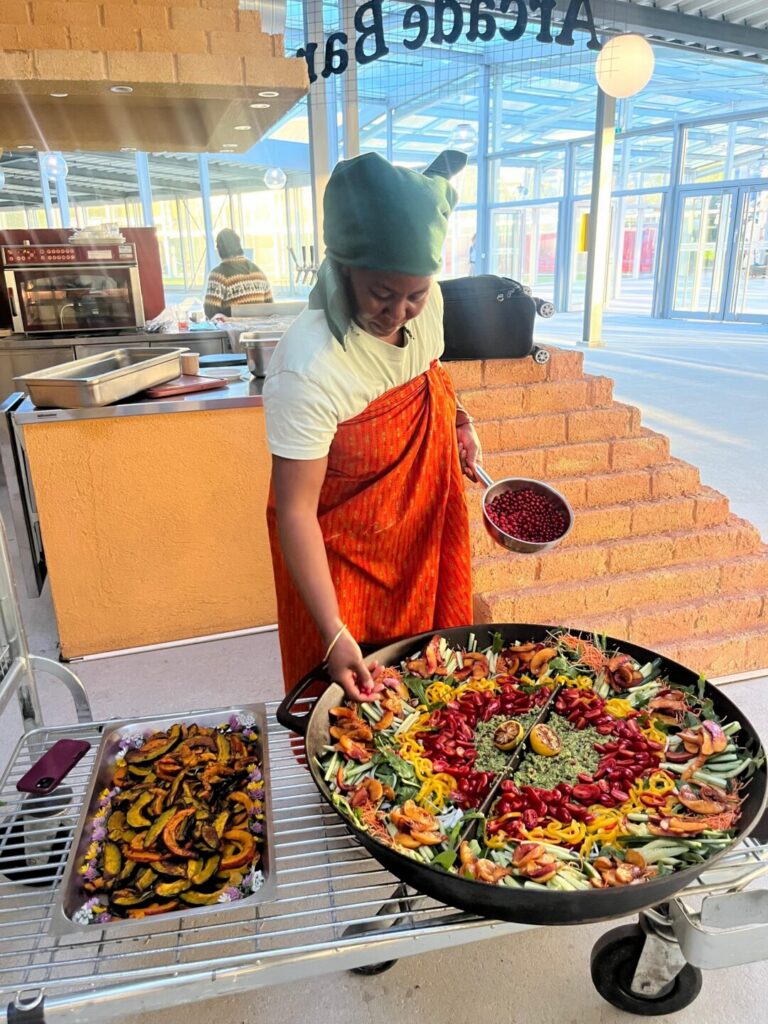
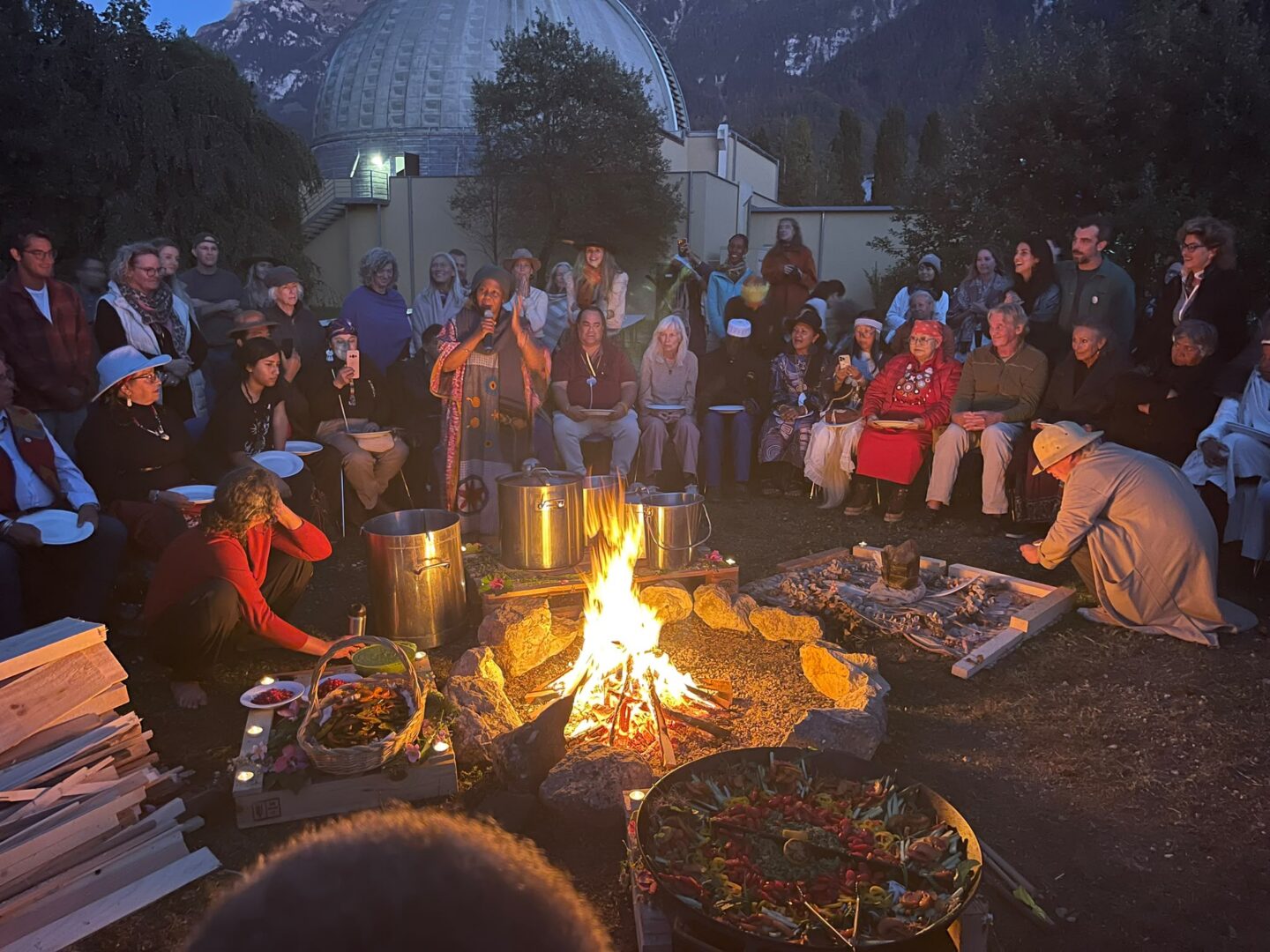
Noni, like a queen bee, gathered a whole hive of worker bees and called them to the kitchen to prepare the most nourishing meal of that gathering, in that moment, you could feel the sense of community being born. The spirit of ecoversities has entered the building, if you will. The food was taken to the fire that had been burning nonstop since the opening ceremony, people had been taking turns to sit with and tend to the fire, where the ashes held all that has been shared and transmuted during the gathering, to carry participants forth until the next gathering to be held during the June Solstice in 2027 in Mexico.
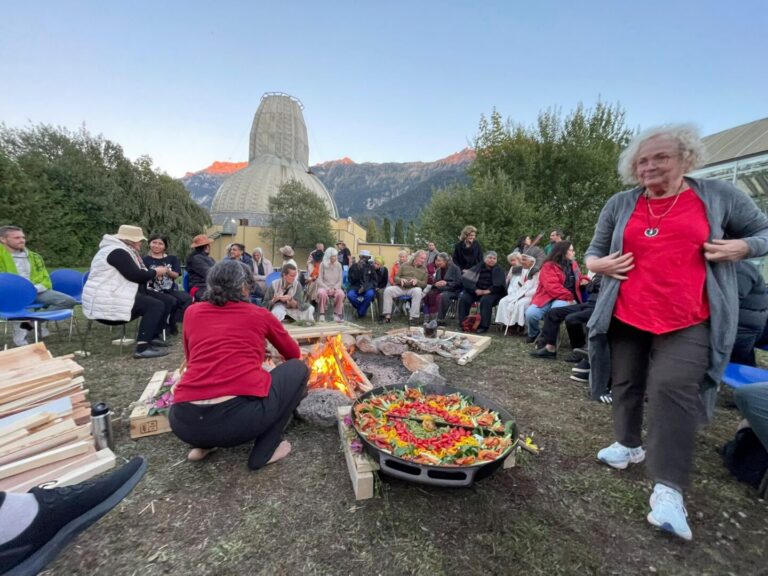
After the food was sung to en route to the fire, Noni spoke about the process and experience and then the elders, seated closest to the fire, were served first. Only after that did everyone else get to eat. These are the ways of our people.
That day, my sense of severance didn’t feel so strong anymore. Yes, there was grief over the songs I don’t know and the language and the traditional dress, but I was realizing that I still hold the ways of my people. To not interrupt an elder, to sit at their feet, to serve them first.
I come from a path of service, and I sure do hope that I continue to walk a path of service. To always have that thing a sibling is looking for, to find the thing that someone has lost, to speak the thought that’s been looking for the path of least resistance to be spoken. And maybe even have the courage to name the camel in the room.
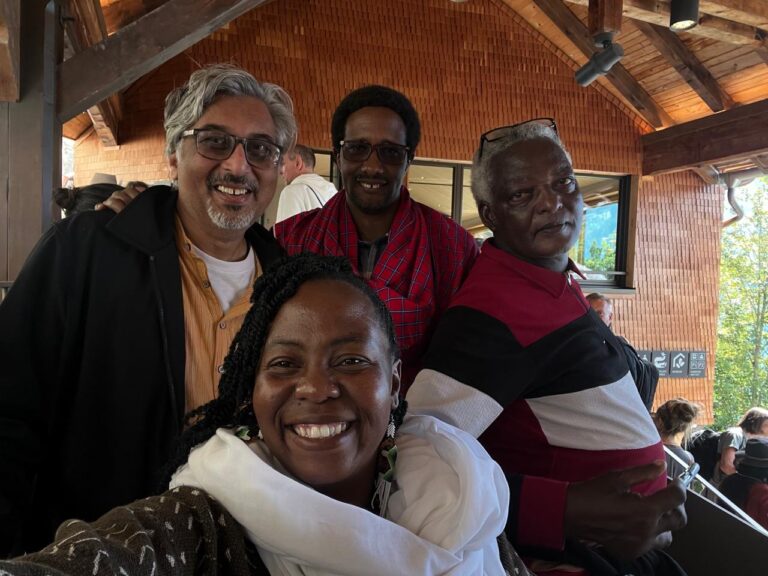
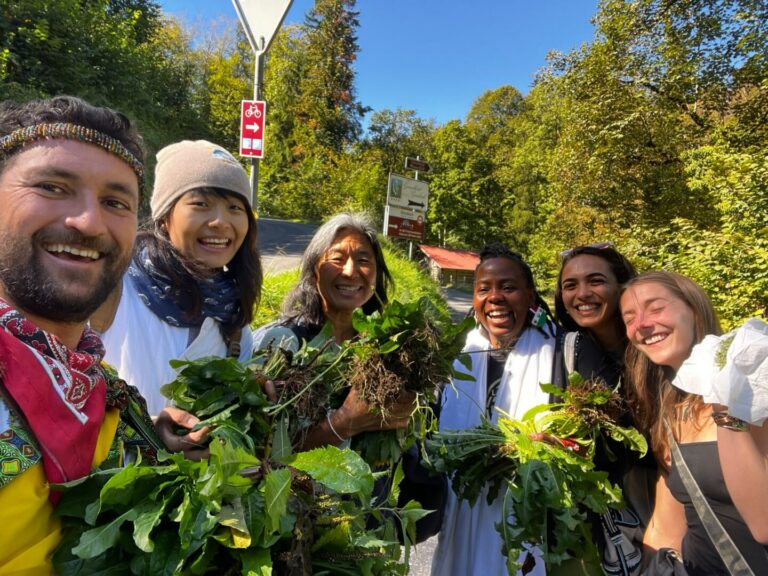
Ecoversities offered a session on alternatives grounded in the everyday, where our poop comes as both a celebration of the food we’re eating and a feast for the land receiving us. Foodversities as spoken to by Noni, held the plate as a site of mutual remembrance: remembering the millet and having the earth remember us through our poop.
Maria from Etno Institute started speaking to chronos, reflecting on the time she tended to her elderly father who would spend hours “doing nothing” – when asked when he’ll move on to the next thing, he responded “when this bird flies to that tree.”
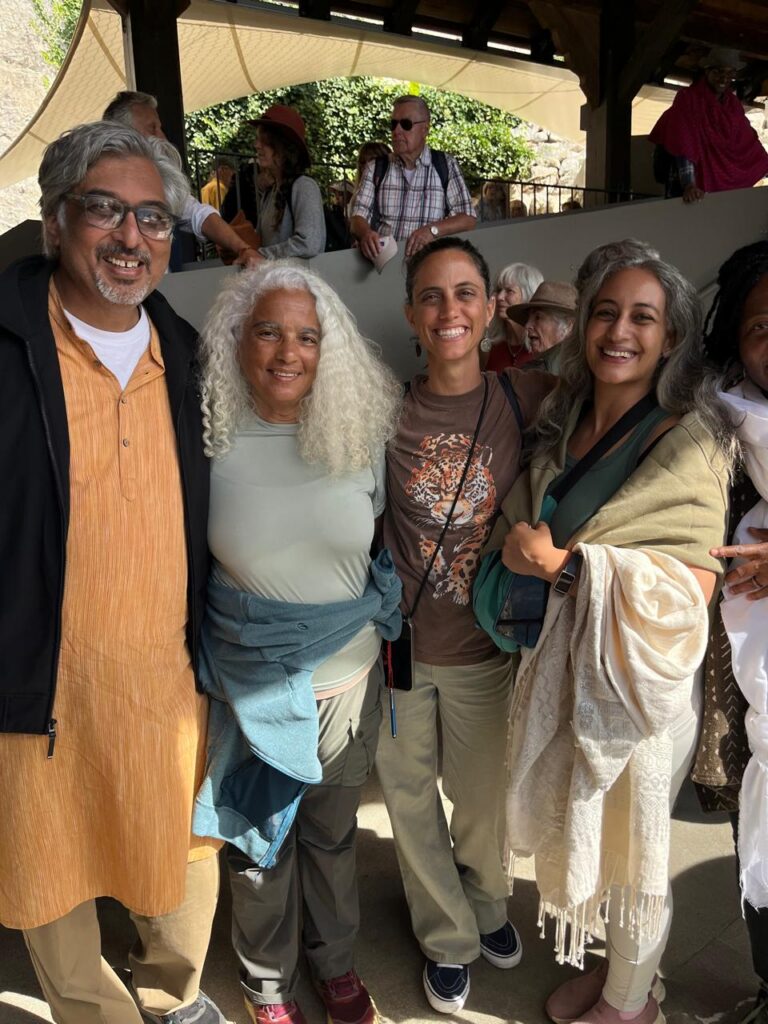
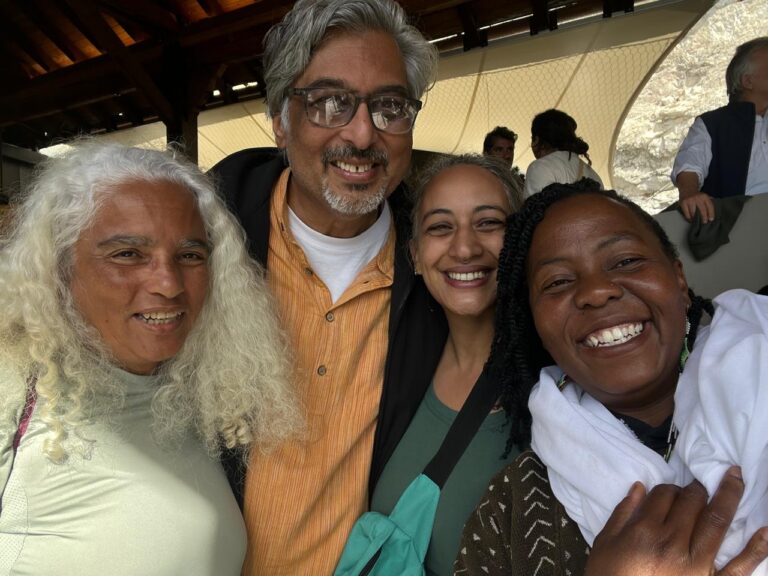
When we speak of alternatives, we cannot leave out the every day. The vernacular of change is encompassed in the reverence of sweeping where the broomstick as a site of ceremony is not to be overlooked in that sense.
And how do we bring the ceremonial act of sweeping to the sanitized, angular conference hall? We bring the lecture to the square, we dance and we sing and we welcome children and elderly alike. The seats at the table are many and when they’re full, we bring more seats, we sit at the floor, we welcome the crowd as a seed (and architecture) for emergence.
The day after the closing, the dandelion flowers spread everywhere where the fire was and the bees arrived.